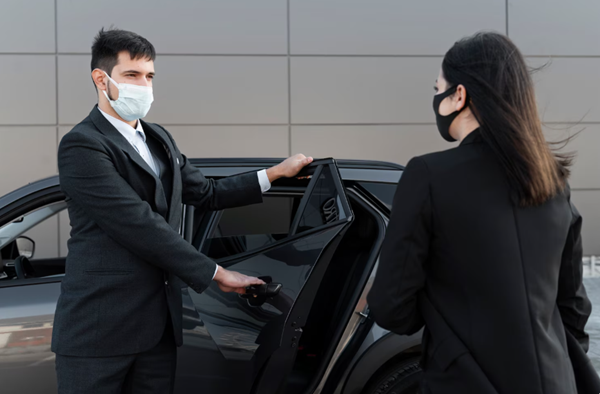
High-density urban market executive travel involves more than mobility. Risk management involves the professional car service in cities where traffic flows are complicated and the risks of insecurity are high. This is particularly so in the case of transport Sao Paulo, where executives, VIPs and corporate teams should travel effectively without exposing themselves to unnecessary dangers. This blog describes the way security-oriented car services take care of the persons, data and resources when executives are traveling. It addresses the criteria of operation, personnel training and planning practices of the company that are of interest to corporate travel managers, decision-makers and security personnel.
Why Standard Car Services Are Not Enough
Radical ride services are concerned with convenience. Security car services are concentrated on protection, control and accountability. Risks like surveillance, targeted crime, data exposure and schedule disruption are also aimed at executives and VIPs. An approach based on security minimizes such risks by means of planning, trained staff and supervised activities. The main differences are in route control, checking of drivers, vehicle hardening and real-time monitoring. All these factors combine to decrease the doubt in the case of ground motion.
Core Functions of Executive Security Transportation
Pre-Trip Risk Assessment
Professional security transportation begins before the vehicle arrives.
- Route analysis based on time of day, traffic behavior and known risk zones
- Planning for alternate routes and safe stopping points
- Coordination with client schedules to minimize waiting time and exposure
This preparation allows secure movement even during unexpected changes.
Trained Drivers as Security Assets
Drivers are not only chauffeurs. They are part of the protection layer.
Security-trained drivers understand defensive driving, situational awareness and low-profile movement. They are briefed on client protocols and confidentiality standards.
Driver training typically covers
- Threat detection and avoidance techniques
- Secure arrival and departure procedures
- Communication protocols with operations teams
This training ensures consistent behavior under pressure and reduces reliance on reactive decisions.
Vehicle Standards That Support Protection
Security car services use vehicles selected and configured for executive protection. The choice depends on threat level and client profile.
Common features include:
- Late-model vehicles with a discreet appearance
- Armored options when risk assessments require them
- Regular mechanical inspections and controlled access
Vehicles are tracked, maintained and rotated to avoid predictability. This approach protects both passengers and sensitive itineraries.
Operational Control and Real-Time Monitoring
Centralized operations distinguish professional security transport from standard services.
Operations centers track the position, timely and path adherence of vehicles. This enables real-time response to such disruptive incidents as traffic accidents or security threats.
Operational oversight includes
- Live GPS monitoring
- Direct communication with drivers
- Escalation protocols for incidents
This structure ensures accountability and rapid decision-making.

Protecting Corporate Assets During Transit
Transportation protective services Brazil is not only about people. It also protects information, equipment and business continuity.
Sensitive discussions, devices and documents often travel with executives. Secure vehicles and trained drivers reduce the risk of eavesdropping, theft or data compromise.
Protective measures include
- Confidentiality agreements and access control
- Secure handling of luggage and equipment
- Low-profile travel to avoid attention
These controls are essential for senior leadership and client-facing roles.
Local Expertise Matters in São Paulo
São Paulo requires local knowledge to operate safely and efficiently. Traffic congestion, neighborhood risk variation and event-driven disruptions change daily.
Professionals offering executive transportation Sao Paulo rely on
- Local intelligence updates
- Familiarity with business districts, hotels and airports
- Coordination with local security resources
This knowledge reduces delays and avoids unnecessary exposure.
Business Continuity and Schedule Reliability
For corporate teams, delays create operational risk. Missed meetings, late arrivals and disrupted schedules affect outcomes.
Security car service prioritize punctuality through planning and redundancy.
Benefits include:
- Predictable travel times
- Backup vehicles and drivers
- Coordinated airport transfers
This reliability supports executive productivity and corporate reputation.
Compliance, Reporting and Transparency
Corporate clients require clear standards and reporting. Professional services provide documentation and visibility.
This often includes:
- Trip logs and service reports
- Clear service scopes and pricing
- Compliance with local regulations
Transparency builds trust and supports internal security policies.
When Security Transportation Is Essential
Not all journeys imply increased security, but there are some cases when professional security transportation is a reasonable and even a needed decision. C-suit board members, senior leadership travel, can be more visible, with sensitive schedules and confidentiality needs that can be well served with a discreet and controlled movement. Visitors from other countries who are not well conversant with local patterns of risks and traffic conditions are at bigger risk without expert aid. Intensive meetings or those that are open to the public or visits to the site may draw unwanted attention, whereas the movement of sensitive documents, equipments or corporate assets would require additional attention. Security transportation in such situations mitigates risk and uncertainty and enables business operations to proceed in a normal, smooth fashion without any disruption.

Conclusion
Security car services play a critical role in protecting executives, VIPs and corporate assets during ground travel. Through planning, trained personnel, controlled vehicles and real-time oversight, these services reduce risk while supporting efficiency. In complex urban environments, this approach is a practical extension of corporate security strategy. To implement this level of protection, organizations partner with specialized providers like Blue Lion Ops.
FAQs
1. What makes security car services different from standard executive transport?
Security services include trained drivers, risk-assessed routes, monitored operations, and controlled vehicles. The focus is protection, not convenience alone.
2. Is security transportation necessary for all executives?
Not always. It is most relevant for senior leaders, international visitors, and travel involving sensitive schedules or assets.
3. How does local knowledge improve safety in São Paulo?
Local expertise helps avoid high-risk areas, manage traffic disruptions, and respond quickly to changing conditions.
4. Can security transportation scale for corporate teams?
Yes. Professional providers support single executives, visiting delegations, and full corporate travel programs with consistent standards.